FUNCTIONALIZED EXOSOMES
FROM CURCUMA LONGA
The Trend
The growing scientific focus on scalp and hair longevity is transforming hair care: it is no longer just about cosmetic conditioning, but about preserving follicular function, scalp balance, and hair fiber quality over time.
Traditional soothing and strengthening actives often have limited reach against the biological mechanisms associated with follicular aging, oxidative stress, and disrupted cellular communication. Added to this is chronic exposure to environmental factors such as UV radiation, pollution, and mechanical damage, which accelerate scalp deterioration and the loss of hair vitality.
In this context, advances in plant-derived exosomes represent a new technological generation aimed at optimizing intercellular signaling and the targeted delivery of bioactive compounds. By favoring the follicle's adaptive response and modulating cellular communication pathways within the scalp microenvironment, this technology contributes to maintaining skin balance and long-term hair longevity.
According to Mintel data:
- 59% of hair product users in Brazil consider it important to use specific scalp care products that nourish and promote healthy hair (Patent Insights: Tackle Hair-Loss and Thinning, Mintel, 2025).
- The "skinification" trend is intensifying in hair care, incorporating skincare ingredients—such as exosomes—into shampoos and conditioners. Their regenerative properties are associated with reduced hair loss and improved scalp health, reinforcing the connection between skin and hair (Patent Insights: Innovation in Shampoos & Conditioners, Mintel, 2025).
- Scalp care launches with anti-hair loss claims remain niche compared to other cosmetic promises, highlighting an untapped innovation opportunity (A Year of Innovation in Haircare, Styling & Colour, Mintel, 2025).
- Scalp health and hair loss are closely linked. Issues like residue buildup or skin imbalances contribute to hair thinning. Ignoring this association means missing a relevant and unmet consumer need (A Year of Innovation in Haircare, Styling & Colour, Mintel, 2025).
- In the last five years, global launches of hair products containing Curcuma longa (turmeric) have grown by more than 20% (GNPD, Mintel, 2025). Curcuma longa (cúrcuma) han crecido más de un 20% (GNPD, Mintel, 2025).
What is EXOREVAGE Curcuma?
The revolution in plant biotechnology to boost follicular activation.
EXOREVAGE Curcuma is a patent-pending technology developed by PREBEL, specifically designed for the formulation of non-invasive, needle-free hair and scalp care products.
This innovation incorporates plant exosomes from Curcuma longa, modified with squalane—a lipid permeation enhancer—and ionic copper cofactors derived from malachite, a gemstone. The result is an intelligent delivery system with biomimetic membranes, offering high safety, efficacy, and controlled release of bioactive compounds.
This system promotes cellular regeneration, hair longevity, and hair follicle activation.
Both the Curcuma longa plant exosomes and the squalane are obtained through green biotechnology processes. Curcuma longa como el escualano se obtienen mediante procesos de biotecnología verde.
EXOREVAGE Curcuma is a versatile technology that can be formulated in combination with other actives and fragrances. It is suitable for both transparent and non-transparent products and can be incorporated into solutions, emulsions, cleansers, shampoos, and various cosmetic forms.
Key Ingredients of EXOREVAGE Curcuma
The selection of ingredients follows strategic criteria of efficacy and functionality for the development of modified plant exosomes. This is not a simple mixture of components: in EXOREVAGE® , they are structurally integrated to modify the exosome architecture and create functionalized Curcuma longa exosomes Curcuma longa.
This cutting-edge technological integration optimizes their performance in advanced hair care applications.
Squalane
Squalane is a high-purity ingredient that biomimics the skin's natural lipids, making it a highly effective emollient.
It is obtained from sugar cane through fermentation processes based on green biotechnology, ensuring a sustainable origin and high functional quality for cosmetic applications.
Precious Malachite
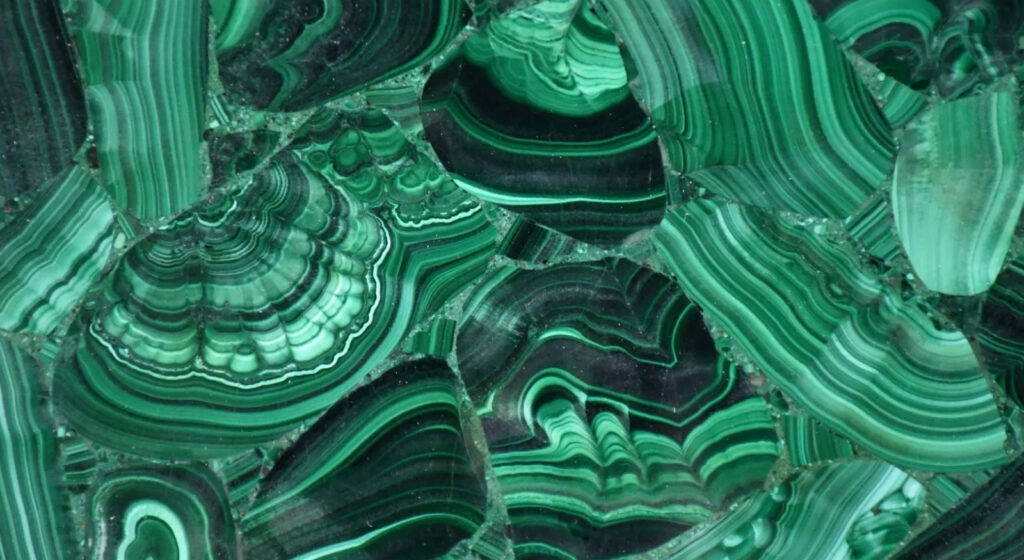
Precious malachite is a liquid extract derived from this semi-precious stone, which is naturally rich in copper.
Copper plays an essential role in the scalp, notable for its antioxidant activity, detoxifying capacity, and contribution to processes associated with hair growth.
Curcuma longa Plant Exosomes
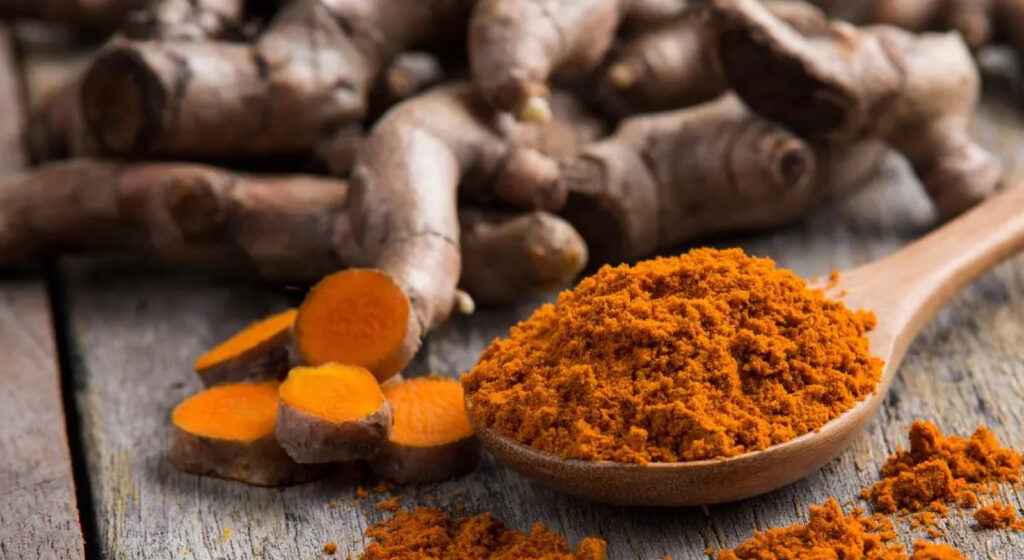
Exosomes obtained from Curcuma longa stem cells act as biological signaling vehicles, transporting peptides and bioactive factors—including growth factors and epigenetic modulators—capable of interacting with human follicles.
This cellular communication promotes the reactivation of the hair cycle and stimulates the processes associated with hair growth.
Functionalized exosome structure
in EXOREVAGE® Curcuma
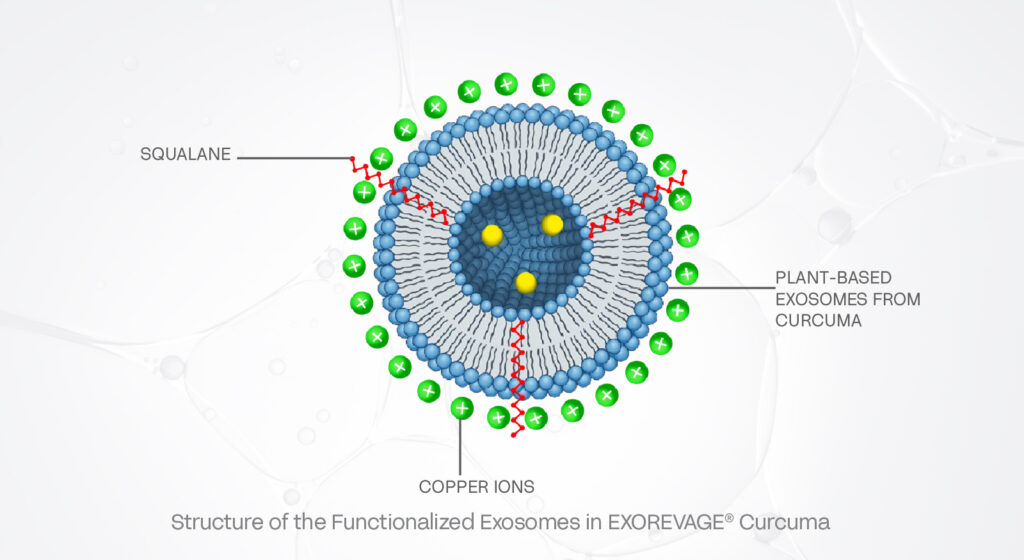
The functionalized exosomes in EXOREVAGE® Curcuma are developed from three main components, each with a specific technical role within the system:
Plant exosomes from Curcuma longa: These act as biological vehicles for information and transport. They contain specialized bioactives and plant-derived peptides, performing key cellular signaling functions.
Copper ions (ionic cofactors): Derived from malachite. They modify the surface charge and form coordination complexes with receptors and cell membranes. This favors the interaction between the exosomes and skin cells, providing selective affinity and amplifying the system's efficacy.
Squalane (permeation enhancer): It integrates into the exosomal membranes, optimizing cellular fusion and promoting a more efficient release of the exosomal content.
Comparison between conventional
Curcuma longa exosomes and EXOREVAGE® Curcuma Curcuma
Particle size distribution
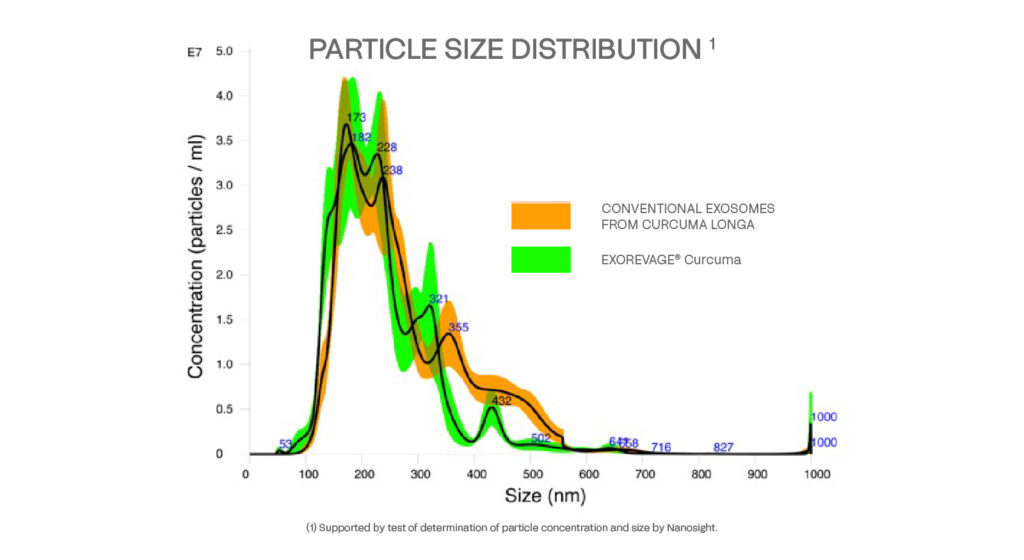
Particle size distribution was evaluated in conventional Curcuma longa exosomes and the functionalized exosomes present in EXOREVAGE® Curcuma. .
Conventional Curcuma longa exosomes are natural structures that have not undergone modification processes. These plant-derived exosomes present an average size near 273 nm and a polydisperse distribution.
After the functionalization process in EXOREVAGE® Curcuma, the average particle size decreases to approximately 237 nm, representing a 13% reduction, along with a more homogeneous distribution.
These results suggest a structural reorganization and greater system stability, derived from the interaction between the exosomes and the functional components of the composition.
Furthermore, the particle concentration increases from $6.5 \times 10^{10}$ particles/mL in conventional Curcuma longa to $6.83 \times 10^{10}$ particles/mL in EXOREVAGE® Curcuma, indicating better dispersion and superior physical stability of the system.
Taken together, these findings demonstrate that EXOREVAGE Curcuma presents a more uniform and stable structure compared to conventional Curcuma longa.

Scanning Electron Microscopy (SEM)
The structure of the plant-derived exosomes was analyzed using scanning electron microscopy (SEM).
Conventional plant exosomes from Curcuma longa have an irregular and heterogeneous morphology, with poorly defined edges and greater variability in size.
In contrast, the functionalized plant exosomes in EXOREVAGE Curcuma exhibit a well-defined spherical morphology, with sharp contours, greater uniformity in size, and a more compact surface texture. These characteristics demonstrate the formation of a stable coating and effective functionalization.
Overall, the results indicate that EXOREVAGE Curcuma presents a more uniform and stable structure compared to conventional Curcuma longa.
In Vitro Trials
Induction of Human Follicle Dermal Papilla Cell (HFDPC) proliferation
EXOREVAGE Curcuma was evaluated against the primary growth factors involved in the follicular growth cycle:
- FGF: Fibroblast Growth Factor
- VEGF: Vascular Endothelial Growth Factor
- IGF-1: Insulin-like Growth Factor 1
In the Human Follicle Dermal Papilla Cell (HFDPC) proliferation induction assay, EXOREVAGE Curcuma demonstrated a 177% increase in cellular proliferation, showing a superior effect compared to the evaluated growth factors (FGF, VEGF, and IGF-1).
Antioxidant Capacity
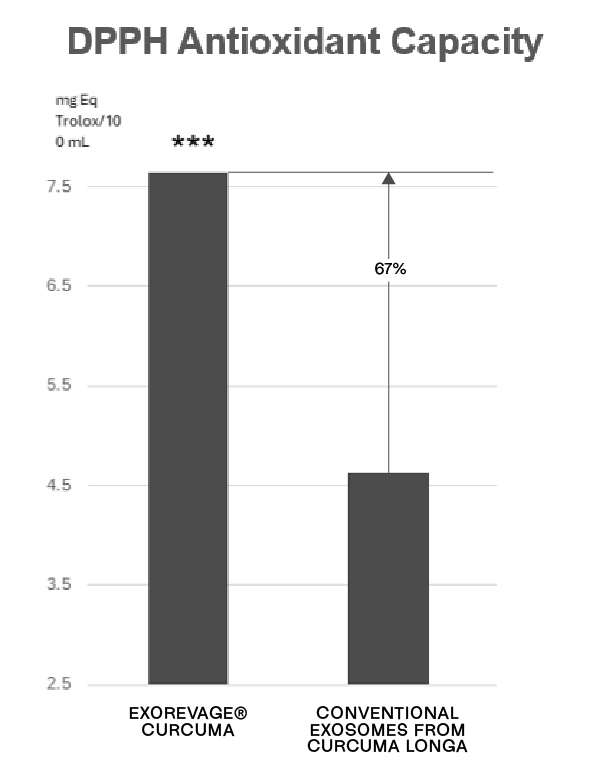
EXOREVAGE Curcuma was compared to conventional Curcuma longa plant exosomes through an antioxidant capacity assay using the DPPH method, quantified as mg of Trolox equivalents per 100 mL.
The results showed up to 67% higher antioxidant capacity in EXOREVAGE compared to conventional Curcuma longa exosomes. Curcuma longa.
In Vivo Trials
Scalp Evaluation
In vivo studies were conducted on 40 volunteers using a leave-on formula with EXOREVAGE Curcuma, applied daily to the scalp over a period of up to 150 days.
Hair Cycle Restoration – Trichogram: At 150 days of evaluation, an increase of up to 27% in the Anagen/Telogen (A/T) ratio was observed, evidencing activation of the anagen phase (growth) and a reduction in the telogen phase (shedding). These results demonstrate the effect of EXOREVAGE Curcuma on hair cycle restoration.
Follicular Activation – Trichoscan: Digital micrograph analysis (Trichoscan), performed directly on the scalp, showed an average increase in hair density of 15.3% at 90 days and 17.3% at 150 days, confirming the effect of EXOREVAGE Curcuma on hair follicle activation.
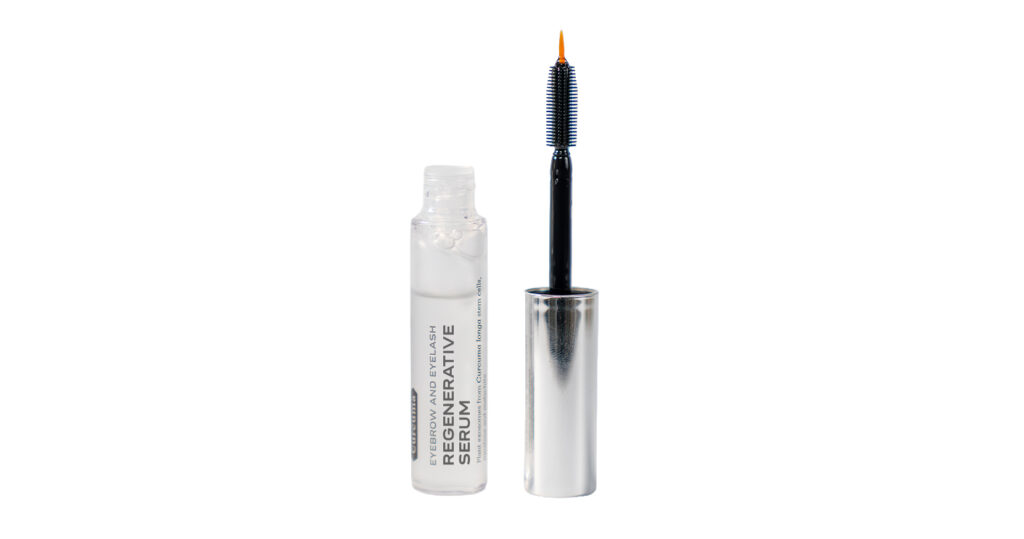
Eyelash and Eyebrow Evaluation
In vivo studies were conducted on 20 volunteers using a serum with EXOREVAGE Curcuma, applied daily to eyelashes and eyebrows for a period of up to 120 days.
yelash Density – GEA
EXOREVAGE Curcuma increased eyelash density by up to 56% after 4 months of daily use.
Eyebrow Density – GEBA
EXOREVAGE Curcuma increased eyebrow density by up to 35% after 4 months of daily application.
Our Product