The role of R&D in cosmetic product development and beauty innovation
In the beauty and personal care industry, innovation doesn’t happen by chance. Behind every product that stands out in the market, there is a structured research and development (R&D) process that defines its performance, differentiation, and commercial viability.
At Prebel, we are closely involved in that process. And one thing is clear: R&D is not just a technical stage—it is where an idea begins to take shape as a real, market-ready product.
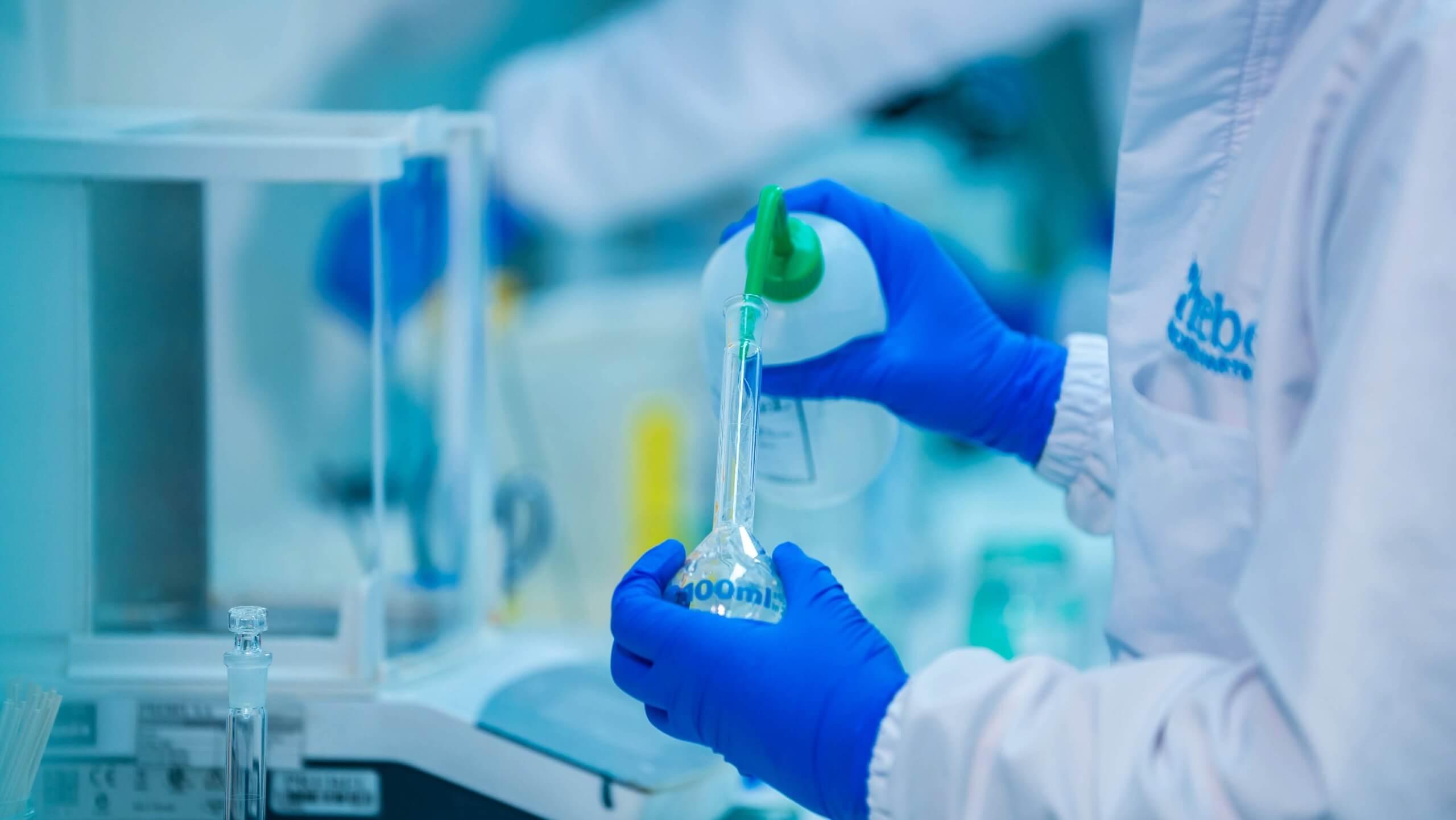
What does R&D really mean in the cosmetic industry?
In beauty, R&D refers to the combination of scientific research, cosmetic formulation, and product validation carried out within a cosmetic laboratory. It is the process that connects market trends, ingredients, and consumer needs with tangible product solutions.
Beyond formulation
R&D goes far beyond creating formulas. It also involves understanding market dynamics, anticipating trends, and ensuring that each product is technically feasible, regulatory compliant, and commercially viable.
Why is R&D critical for innovation in beauty products?
In a market with constant product launches, differentiation is not just about the idea—it is about execution.
- Enables the development of truly differentiated cosmetic products
- Ensures product efficacy and consumer experience
- Supports adaptation to trends (ingredients, claims, formats)
- Reduces risk during product launch
How does R&D translate into a real product?
The R&D process follows a structured approach that allows each stage of product development to be clearly defined.
Key stages of the process
- Market research and trend analysis
- Cosmetic formulation and development in a cosmetic lab
- Stability, safety, and performance testing
- Adjustments prior to full-scale manufacturing
What changes when R&D is properly integrated?
When R&D is aligned from the beginning with cosmetic manufacturing, the process becomes more efficient and cohesive.
- Fewer late-stage adjustments and rework
- Stronger alignment between concept and final product
- Optimized development timelines
- Improved scalability for production
Checklist: when does R&D make a difference?
R&D becomes especially relevant when:
- You are developing an innovative product
- You want to stand out in a highly competitive category
- You need to technically validate a product concept
- You are building a new product line
Common mistakes in cosmetic product development
Underestimating R&D can directly impact product performance and success.
- Prioritizing speed over proper validation
- Insufficient product testing
- Overlooking formula-packaging compatibility
- Ignoring regulatory requirements from the start
How long does it take to develop a cosmetic product?
The timeline depends on product complexity, but development can range from a few weeks to several months.
If you are planning to develop a new product or explore innovation opportunities within your portfolio, R&D is the starting point.