The keys that redefine the success of a beauty brand
Unlike a few decades ago, today the decision to purchase a beauty product is made before ever reaching the point of sale. Consumers check reviews, compare prices, look up ingredients, listen to recommendations, and even search social media for videos and posts about other consumers' experiences. This way of buying poses new challenges and redefines the success of a beauty brand.
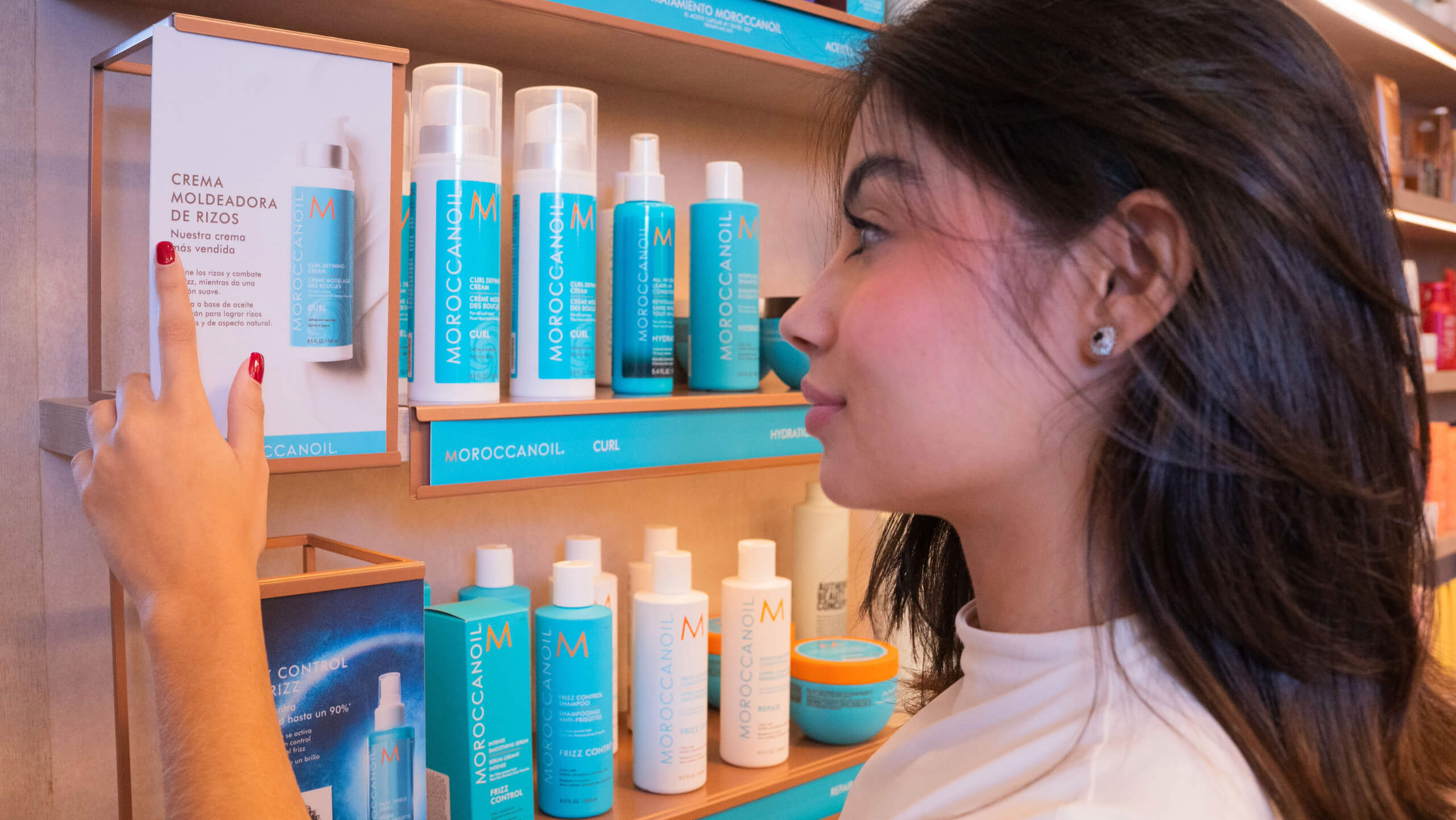
In the past, a brand could build its reputation with an advertising campaign that flooded the media and a good spot on the store shelf. That meant the buyer trusted the message first and evaluated the product only after buying it. Today that order has reversed: the consumer evaluates first, relying on sources independent of the brand, and buys only once that evaluation is convincing. According to Colombia's Chamber of the Cosmetics and Toiletries Industry (ANDI), when choosing a beauty product, 34.1% of Colombian consumers prioritize quality over promotions or discounts.
What consumers demand from a beauty brand today
It's no longer enough for a beauty brand to build an appealing promise and communicate it effectively. What a brand promises must be backed up by what the consumer actually receives, uses, and experiences. The formula, the packaging, the texture, the scent, the results, and even the information that comes with the product must support the expectation created by its communication.
These are some of the conditions that are redefining competitiveness for beauty and personal care brands:
1. A value proposition that can be proven
Consumers compare what they pay with what they expect to get, weighing factors such as efficacy, concentration, sensory appeal, performance, longevity, and the overall experience of use. This is why brands need to build value propositions they can back up with concrete arguments. A differentiated formulation, a technically-backed active ingredient, a release technology, a distinctive texture, or superior performance can justify a price when that difference is perceptible and can be demonstrated.
2. Transparency backed by evidence
Transparency isn't just about disclosing ingredients. In an industry full of terms like natural, clean, clinical, sustainable, dermatologically tested, or responsibly sourced, the real challenge lies in backing up every claim. For a brand, this means having technical information about the formula, ensuring traceability of raw materials, having supplier evaluation and management processes in place, supporting product claims with studies or testing, and complying with applicable regulatory requirements.
3. Innovation aimed at real needs
The speed at which new products, ingredients, formats, and trends emerge requires brands to identify innovation opportunities capable of genuinely meeting consumer needs. Innovating in the beauty industry means identifying gaps in the market and turning them into product proposals. This can take the form of new formulation technology, improved efficacy, a texture that overcomes a usability barrier, more convenient packaging, or a combination of benefits, among other possibilities.
4. Consistency between product, brand, and experience
A brand's perception is built from the product, the packaging, the information, the price, the sales channel, the service, and the communication. Each of these elements shapes the consumer's experience and their assessment of the brand. A high-performing formula loses some of its perceived value if the packaging conveys a lower quality than the product actually delivers, just as a brand that communicates innovation loses credibility when its portfolio doesn't include noticeable improvements. Consistency requires that a brand's various decisions all serve the same value proposition, so consumers find that what they receive matches what they expect.
5. Active listening to guide decisions
Reviews, searches, comments, returns, customer service inquiries, e-commerce behavior, and social media conversations all help identify doubts, frustrations, emerging needs, and product opportunities. The challenge lies in turning that data into decisions. A brand that listens can, for example, detect that a suddenly trendy ingredient is generating interest but still lacks sufficient scientific backing, that a certain format is impractical, or that there's a need the current portfolio doesn't yet address.
6. Sustainability built into the product and the operation
For beauty brands, talking about sustainability means reviewing decisions across the entire value chain, from the sourcing and selection of raw materials to packaging design, resource use, manufacturing processes, logistics, and end-of-life product management. This calls for greater rigor in environmental claims made in communications, along with the evidence to back them up — from the origin of raw materials and the properties of the materials used to the practices applied during manufacturing and distribution.
Prebel's support as a development and manufacturing partner
Responding to a more informed consumer takes far more than a good communication strategy. It requires developing products that meet consumer expectations from the outset, with a value proposition grounded in technical decisions and processes capable of carrying it from formulation through to manufacturing.
At Prebel we support beauty and personal care brands throughout the value chain, from ideation and formula development to product validation and industrial scale-up. This support turns a market need into a product solution, allows its technical feasibility to be assessed, and addresses the various factors that affect its performance.
What has changed in how consumers decide to buy a beauty product?
In the past, a brand's communication carried significant weight in the purchase decision, and product evaluation happened mainly after trying it. Today, consumers can form an opinion before ever holding the product in their hands. They research the ingredients, compare alternatives, check other users' experiences, and look for evidence to help them decide whether the product will meet their expectations.
What elements define the success of a beauty brand today?
A value proposition that can be proven, transparency backed by verifiable information, innovation aimed at real needs, consistency between product, brand, and experience, the ability to listen to consumers, and sustainability built into the operation.
How can Prebel help develop beauty products that meet today's consumer expectations?
Prebel takes part in the various stages involved in developing and manufacturing a beauty product. It works on formulation, documents ingredient traceability, validates the formula before moving it into production, and takes part in industrial scale-up. This capability is backed by more than 85 years of experience in the development and manufacturing of beauty and personal care products.
If you'd like to learn more about how Prebel can contribute to the success of a beauty brand, get in touch and we'll contact you shortly.